
Murphy’s Story: FIP Treatment Journey in Milton, GA
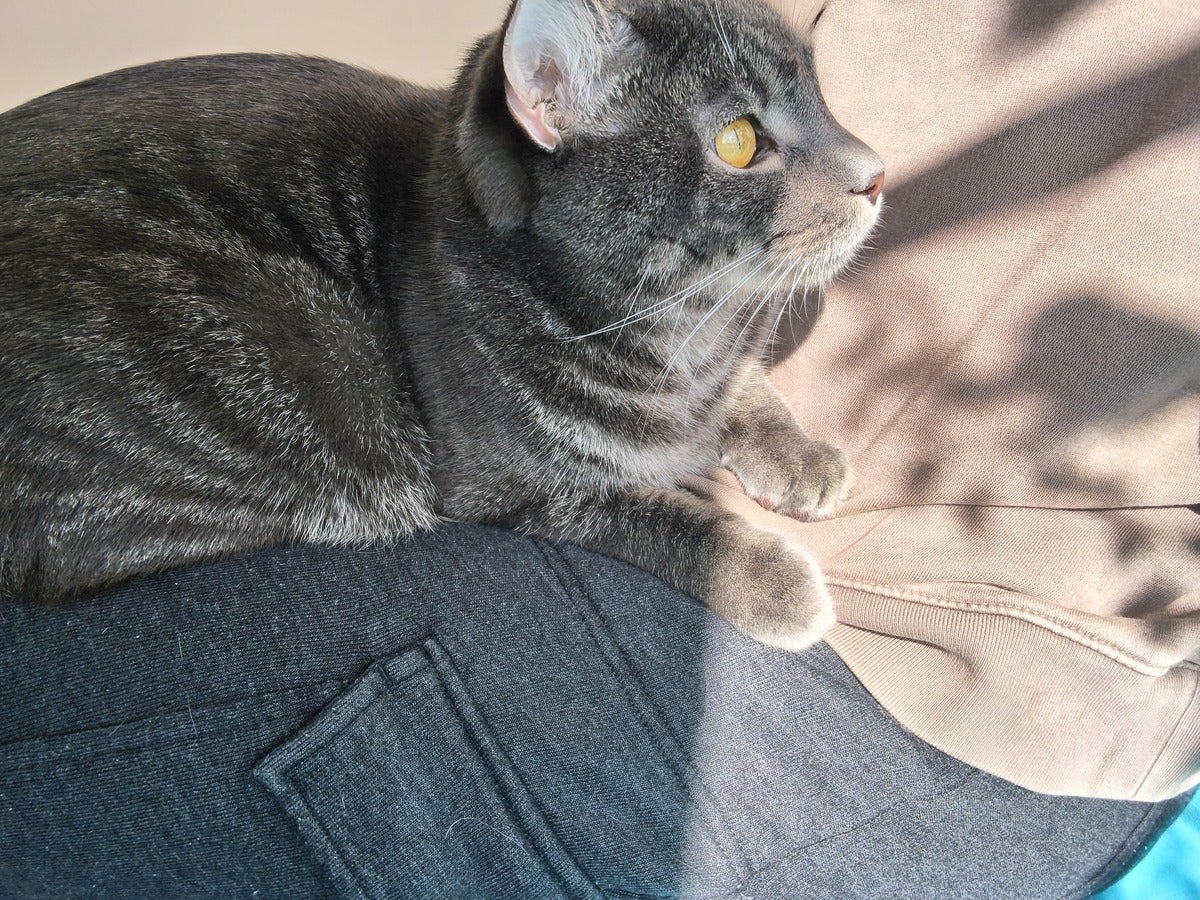
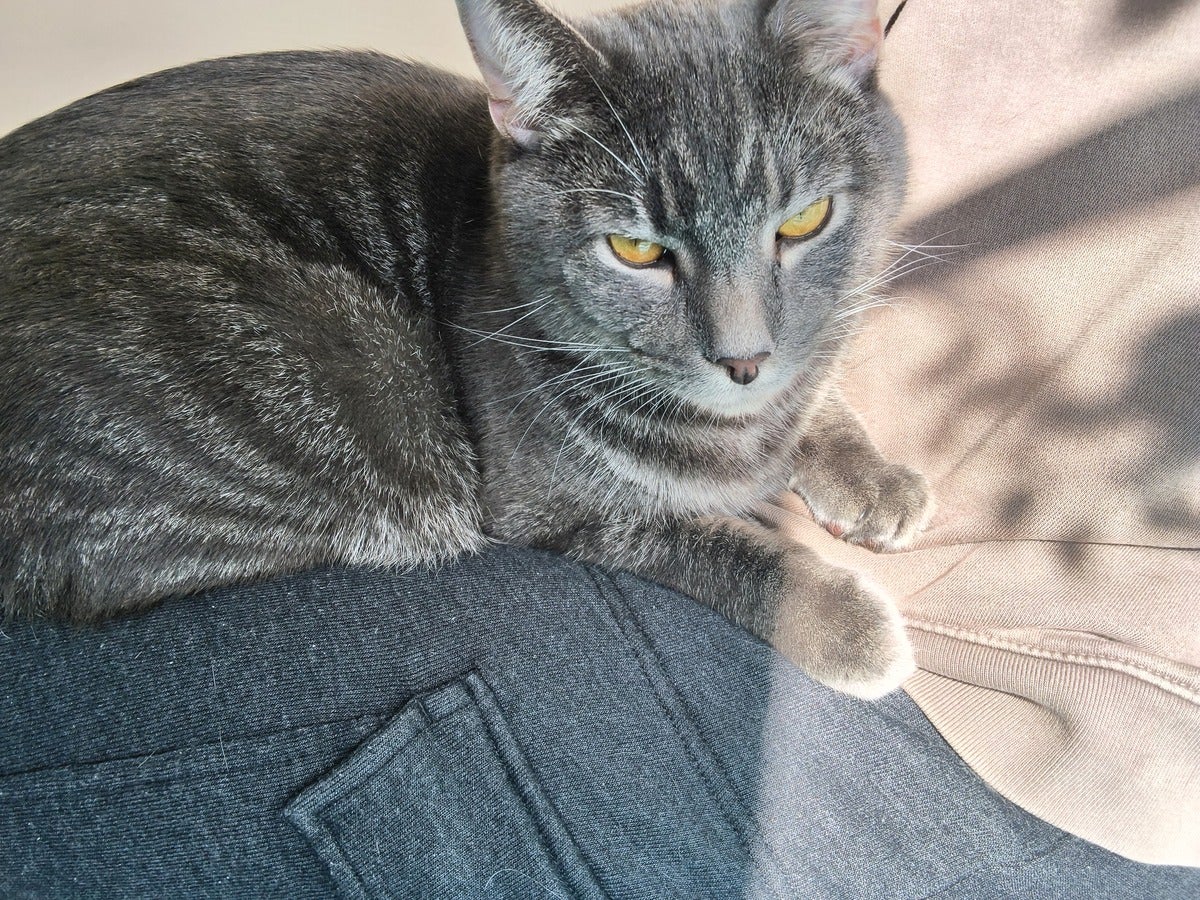
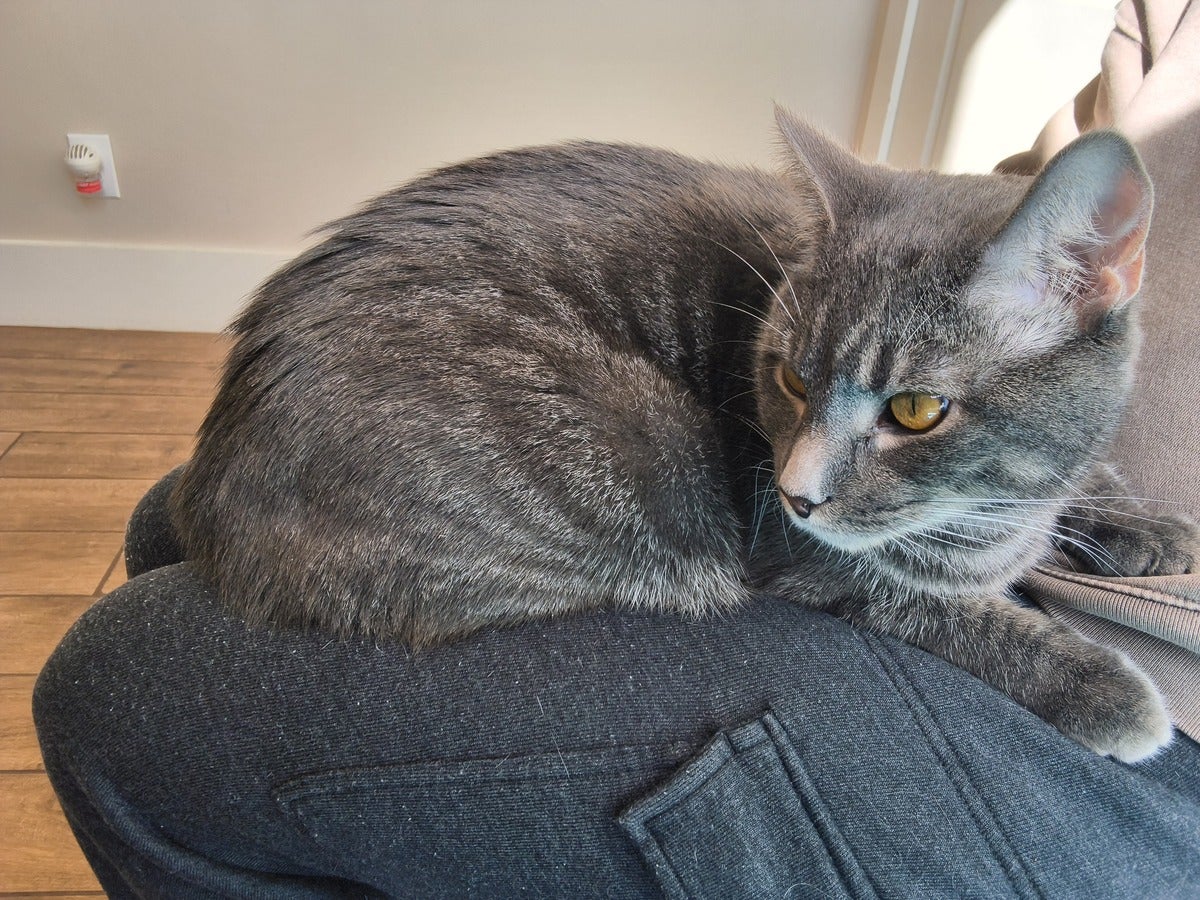
Most cats diagnosed with feline infectious peritonitis (FIP) don’t start out looking critically ill.
Murphy didn’t.
He came in because something just wasn’t quite right and a little diarrhea.
His appetite was off.
He wasn’t acting like himself.
Nothing dramatic—just enough to notice.
Murphy’s Story (Part 1): When Something Small Isn’t Nothing
The early stage
At first, his signs were mild.
Some digestive upset.
A decreased appetite.
Initial testing didn’t point to anything obvious.
So we monitored closely and supported him while watching for changes.
When it didn’t resolve
Over the next couple of weeks, one thing didn’t fully return to normal:
His appetite.
That was the only consistent sign.
And cases like this are often the hardest—because there’s no clear moment where things look “serious.”
Getting answers
As those subtle changes continued, further diagnostics were pursued.
That’s when the underlying cause became clear.
Murphy was diagnosed with feline infectious peritonitis (FIP).
What makes this different
Not long ago, this would have been a very different conversation.
But treatment options for FIP have changed dramatically.
Murphy started treatment.
What happens next
We’ll continue to follow Murphy closely and share updates along the way.
Because his story is an important one.
Early Response
Murphy’s Story (Part 2): The First Signs of Improvement
Murphy had just started treatment for FIP.
At that point, things still felt uncertain.
The first couple of days
At his early recheck, there were small but important changes.
He was starting to eat a little better.
Not fully back to normal—but moving in the right direction.
We added an appetite stimulant to support him while treatment continued.
Why this stage matters
With cases like this, the early response tells us a lot.
Sometimes improvement is slow.
Sometimes it’s subtle.
But even small changes can be meaningful.
Where things stood
At this point:
appetite was improving
energy was starting to come back
we were cautiously optimistic
Still early—but encouraging.
We continued to monitor closely.
Murphy’s Story (Part 3): The 2-Week Turnaround
Two weeks into treatment, Murphy looked like a different cat.
What changed
At his 2-week recheck:
he had regained the weight he lost
he was eating normally
his energy was back
he was acting like himself again
What we saw medically
His bloodwork was already improving.
The changes we had seen earlier were starting to move back toward normal.
Why this matters
FIP used to be a diagnosis where improvement like this wasn’t expected.
Now, we’re seeing something very different.
Murphy’s response at this stage was exactly what we hope for.
We continued treatment and monitoring.
Murphy’s Story (Part 4): Four Weeks In
At four weeks, Murphy continued to do beautifully.
The update
At his 4-week recheck:
he was clinically normal
his appetite and energy were fully back
his bloodwork continued trending toward normal
What this tells us
At this stage, we’re looking for consistency.
Not just improvement—but sustained improvement.
And Murphy was doing exactly that.
Where things stand now
He’s feeling good.
He’s acting like himself.
And we continue forward with treatment and monitoring.
Murphy’s story isn’t finished yet—but it’s a very different story than it would have been just a few years ago.
Murphy’s Story (Part 5): What is FIP?
Feline infectious peritonitis (FIP) is a complex viral disease that can be difficult to recognize early.
Many cats start with subtle signs, like:
decreased appetite
low energy
mild digestive changes
some cats will show ocular (eye) or neurological changes.
Because those signs are so nonspecific, FIP can be hard to identify in the early stages.
Murphy’s Story (Part 6): Why This Story Matters
Murphy’s story started with something easy to overlook.
A decreased appetite.
A subtle change.
Nothing dramatic.
The bigger picture
Cases like Murphy’s are why we take those small changes seriously.
Because sometimes:
it’s nothing
and sometimes, it’s something you can catch early
FIP treatment in Milton, GA
Treatment for FIP has changed dramatically in recent years.
Cats who once had very limited options
are now being treated—and improving.
Murphy is one of those cats.
The Takeaway
If your cat isn’t acting like themselves—even in a small way—it’s always worth asking.
Sometimes it’s nothing.
And sometimes, catching it early makes all the difference.
We’ll continue to follow Murphy through the rest of his treatment.
Murphy's Story, Week 6:
A beautiful, boring recovery. He's eating well and acting normally. His labwork is normal. He is now halfway through treatment!
Murphy's Story, Week 9:
At week nine, we’re happy to report something we don’t say often in medicine. Murphy's energy levels and behavior are exactly what we want to see at this stage, and all indicators show that he is continuing to make steady progress.
At this point, he is right on track for a full recovery, and we couldn’t be more pleased with how things are going.
Murphy's Story, Week 12:
At week twelve, Murphy has been clinically normal for weeks, his bloodwork remains normal, he's finished his course of treatment, and he is ready to stop his medication! We are going to re-evaluate him in 2 weeks to make sure everything remains normal, but at this point it's looking like he has been cured.
Murphy's Story, Post-Treatment Week 2:
Murphy has been doing great off his medications. It was a little hard for mom to stop giving the medications and trust that he was ok, but she did. And he's just carried on normally at home. His bloodwork remained beautiful. We'll check him one last time at 2 weeks post treatment and then we'll put all of this behind him!
Post-Treatment Week 4, and he's cured:
We were thrilled at Murphy's final checkup to see that he was doing great, and his labwork remained perfect. At this point he's considered cured and everyone is looking forward to putting this incident in the rear view mirror!
Tamberly Animal Hospital — Milton, GA (near Birmingham Crossroads)
Frequently Asked Questions About FIP in Cats
What is FIP in cats?
Feline infectious peritonitis (FIP) is a viral disease that can affect multiple body systems. It often starts with very subtle signs—like decreased appetite, low energy, or mild digestive changes—before becoming more serious.
What are the different forms of FIP?
FIP is often described in two main forms:
Wet (effusive) form: involves fluid buildup in the abdomen or chest
Dry (non-effusive) form: does not involve fluid but may affect organs, eyes, or the nervous system
Some cats can have features of both.
What are early signs of FIP?
Early signs are often vague and easy to miss, including:
- decreased appetite
- weight loss
- low energy
- intermittent fever
- mild digestive changes
That’s part of what makes FIP challenging to recognize early.
Can FIP be treated?
Treatment options for FIP have changed significantly in recent years.
While it was once considered fatal, many cats today are being treated and improving—especially when the condition is recognized early.
When should I be concerned about my cat?
If your cat isn’t acting like themselves—even in a subtle way—it’s worth paying attention.
Changes in appetite, energy, or behavior that don’t resolve are always a good reason to check in.
Do I need to know if it’s wet or dry FIP?
Not necessarily.
What matters most is recognizing that something isn’t right and pursuing appropriate evaluation and care. The exact form is something your veterinarian will help determine as part of the diagnostic process.
Tamberly Animal Hospital — Milton, GA (near Birmingham Crossroads)