
Summer is a great time to be outside with your pet. 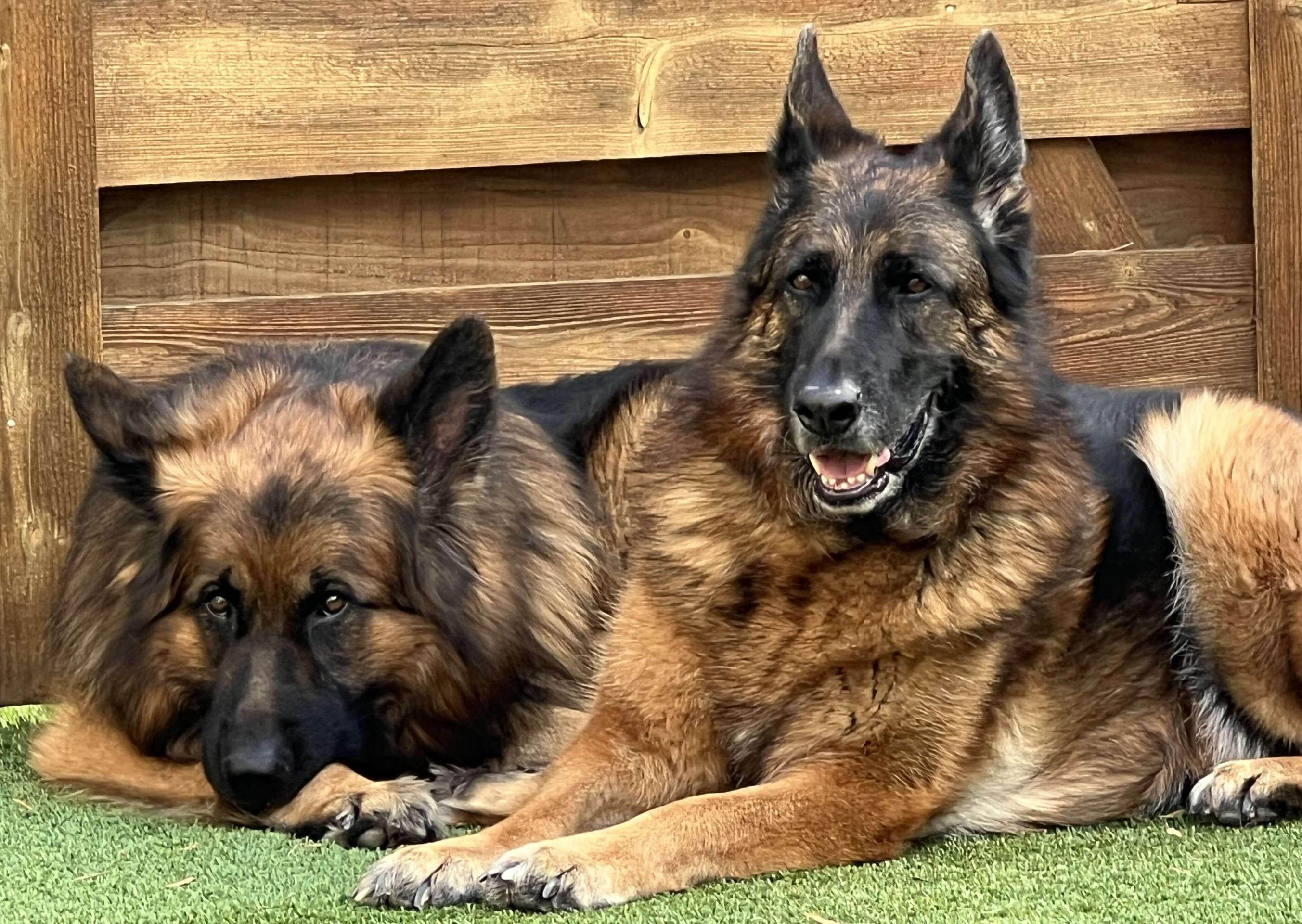
Longer days. More activity. More time together.
But it’s also a time when we tend to see a different set of problems. These usually start with subtle changes that are easy to miss.
Heat doesn’t always look dramatic at first
Most people think of heat stroke as an emergency, and it is. But the earlier stages don’t always look like that.
More often, it starts with things like a dog slowing down on walks, panting more than usual, or just not tolerating the heat the way they normally would. Sometimes they seem a little off outside, but otherwise okay.
Those early changes matter. They’re often the first sign that a dog isn’t handling the heat as well as we’d expect.
When heat becomes more serious
If you’re seeing persistent or excessive panting, vomiting or diarrhea, weakness, or any difficulty walking, that’s different.
At that point, we’re more concerned about overheating, and it’s something we want to see right away.
And if you see collapse, rapidly developing bruises, difficulty breathing or anything that feels more severe, that’s an emergency.
If you think your dog may be having a heatstroke, begin cooling your pet with cool (not ice-cold) water and placing them directly in the car’s air conditioner you head to a veterinary hospital.
Heatstroke Prevention
- Even short periods in a parked car can be dangerous in warm weather.
- Skip intense exercise when it’s hot or humid.
- Shade and access to water make a big difference when they’re outside.
- Adjust walks to cooler times of day whenever possible.
- On very hot days, it’s often best to keep things low-key and limit time outdoors.
Hot surfaces matter more than you think
Pavement heats up faster than people expect, especially in the middle of the day.
If it’s too hot for your hand, it’s too hot for your dog’s feet. Walking earlier in the morning or later in the evening and sticking to shaded or grassy areas can make a big difference.
Summer often means more itching
This is also when we see a lot more allergy-related issues.
Dogs may start licking their paws more, scratching more frequently, or developing ear infections or irritated skin. Sometimes it comes on gradually, and sometimes it seems to flare up all at once.
If your dog is more uncomfortable than usual, it’s worth addressing early before it turns into something more persistent.
Fireworks and noise anxiety
For many pets, summer also means fireworks.
Some dogs show obvious fear. Others just act differently: quieter, more withdrawn, or not quite themselves.
If your pet struggles during storms or fireworks, planning ahead makes a big difference. There are a lot of options that can help. If your pet struggles with noise, it’s worth talking through options before holidays like the Fourth of July.
Travel and car trips
Summer also means more time in the car.
Most pets do fine, but some develop anxiety, nausea, or just don’t settle well on longer trips. Even dogs that usually travel well can struggle when it’s hotter or when trips are longer than they’re used to.
If car rides aren’t going smoothly, there are ways to make them easier and more comfortable. Let us know and we’ll be happy to help.
The part that’s easy to miss
Most summer-related issues don’t start as emergencies.
They start with small things. A little less energy. Not wanting to stay outside as long. Acting a little differently than usual.
That’s often the first sign that something isn’t quite right.
What this means for your pet
Most of what we see this time of year is manageable, especially when we catch it early.
If your pet isn’t tolerating the heat well, is itching more than usual, struggling with fireworks, or just doesn’t seem like themselves, it’s reasonable to take a closer look.
If something feels off, we’re always happy to help you decide what to do next.
Tamberly Animal Hospital — Milton, GA (near Birmingham Crossroads)