
When your dog isn’t comfortable we want to know why, and help.
Your dog has started limping, can’t settle at night, or pulls away when you touch them. Maybe they’re recovering from surgery, or their usual pain medication isn’t helping as much as it used to.
At Tamberly Animal Hospital, we’ll talk with you about what has changed and examine your dog. We want to find out where they hurt, choose treatment that fits their health, and make sure it’s helping once they’re home.
Call (678) 459-6001
How Can I Tell if My Dog is in Pain?
Dogs don’t have to cry or stop eating to be hurting. Often, you’ll notice a change in their habits first.
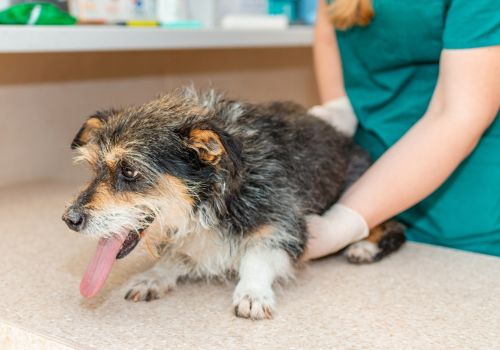
Signs may include:
- Limping, stiffness, or difficulty getting up.
- Less interest in walks, play, or spending time with the family.
- Restlessness or trouble sleeping.
- Pulling away or objecting to being touched or picked up.
- Repeatedly licking one area.
- Dropping food, chewing differently, or being reluctant to eat.
- Panting when they aren’t hot or exercising.
- Irritability or other changes in behavior.
These changes can have other causes, too. Tell us when they happen and how long you’ve noticed them. Videos can be helpful, especially if your dog behaves differently here than at home.
If your dog has severe pain, suddenly cannot stand or walk, or is getting worse quickly, call right away. If we’re closed, contact an emergency veterinary hospital.
Finding Out Where Your Dog Hurts
A sore tooth, an injured muscle, an arthritic joint, and a spinal problem need different treatment. A dog can also hurt in more than one place.
We’ll ask about previous injuries or diagnoses and everything your dog takes, including supplements. After examining them, we may recommend bloodwork, X-rays, a dental evaluation, or other testing.

Other health problems matter when choosing treatment. Kidney or liver disease, digestive problems, and previous medication reactions can affect what we prescribe.
We may start pain relief while we’re still working out the cause. We’ll explain what we’ve found, what we need to investigate, and when your dog should return.
Acute and Chronic Pain
Acute pain starts with a new injury, illness, or surgery. Your dog might suddenly limp, have trouble settling, or resist being touched. Pain can discourage them from using an injured area, but they still need relief and treatment for the cause. Some dogs show surprisingly little outward reaction, even when they’re quite sore.
Chronic pain continues over time. Arthritis is a common cause, though other conditions can cause ongoing pain as well. Your dog may gradually walk less, avoid stairs, or spend more time resting. It’s easy to get used to those changes when they happen slowly.
I often hear from owners after we start treatment that their dog is greeting them at the door again or asking to go for walks. Sometimes we recognize how much pain had been affecting them only when they start feeling better.
A dog with chronic pain can still have a new injury or a flare-up. Tell us when something changes, even if they already have a diagnosis and take medication
How Do We Treat Pain?
After an injury or surgery, your dog may need medication while they heal. Chronic pain usually needs ongoing treatment and regular checks.
We may prescribe an anti-inflammatory or another pain medication. Sometimes we use a combination because the medicines work in different ways.
We’ll explain how to give each medication, what to expect, and when to call. If giving it at home is difficult, tell us. A medication your dog won’t take isn’t going to help.
We also need to address the source of the pain. That might mean dental treatment, wound care, surgery, or another procedure.
Depending on what we find, we may also recommend:
- Laser therapy.
- Weight management and changes at home, such as rugs for traction or a bed that’s easier to get into.
- Exercise and strengthening suited to your dog’s condition.
- Rehabilitation or a specialist consultation.
Our Mobility & Arthritis Care page explains how we help dogs with joint pain, stiffness, and difficulty walking.
What About Librela?
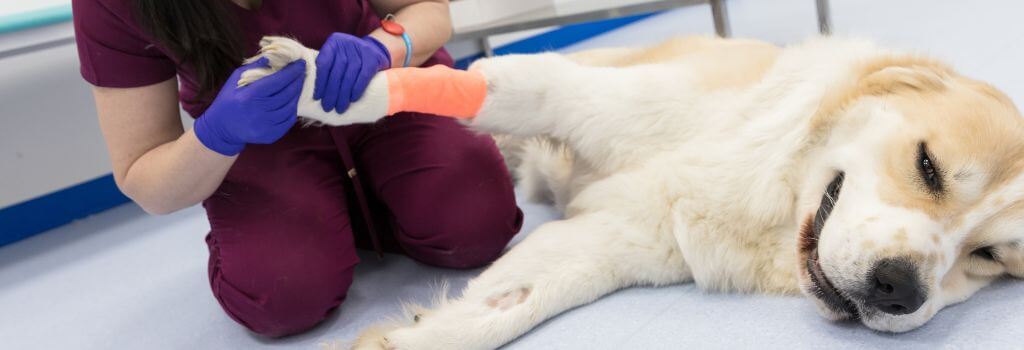
Librela is an injectable treatment for osteoarthritis pain in dogs. In the right circumstances, it can make a life-changing difference in comfort and quality of life.
It also has potential side effects and risks. We’ll review your dog’s health, medications, and examination findings before deciding whether to recommend it. If we do, we’ll talk about what to watch for and how we’ll check their response.
What if My Dog Still Hurts Despite Medication?
Call us. If your dog can’t get comfortable, still avoids activities they used to enjoy, or seems sore before their next dose, we need to look again.
They may need a treatment change or further investigation. Medication also can’t solve every difficulty. A dog with arthritis may have lost muscle or developed another injury that needs attention.
Tell us what improved and what didn’t, and bring a list of everything they’re taking. We also want to know if medication makes them sleepy or unsteady. Being quieter doesn’t necessarily mean they’re more comfortable.
Our goal is to see a useful improvement in your dog’s daily life: sleeping comfortably, walking more easily, eating without pain, or enjoying time with you again.
What Should I Watch For During Treatment?
We’ll discuss what to watch for at home and when to check back. Your dog may need bloodwork or other monitoring while taking medication, depending on the drug and their health.
Contact us about vomiting, diarrhea, reduced appetite, unusual tiredness, changes in drinking or urination, or new difficulty with balance or movement.
If your dog is taking a nonsteroidal anti-inflammatory drug (NSAID) and develops vomiting, diarrhea, loss of appetite, or black, tarry stools, stop that medication and contact us promptly. Seek urgent care for severe symptoms.
Check with us before increasing a dose, combining pain medications, or adding another medicine or supplement. If treatment isn’t helping enough, we’ll discuss what to do next.
Let's Help Your Dog Feel Better
You don’t need to know why your dog hurts before making an appointment. We can help with a new concern or take another look when they’re still uncomfortable despite treatment.
Bring previous records if available, a list of medications and supplements, and videos of the changes you’re seeing at home.
Call (678) 459-6001
Frequently Asked Questions:
Can I give my dog human pain medication?
Only if a veterinarian has specifically instructed you to do so.
Ibuprofen, naproxen, acetaminophen, and aspirin can cause serious harm when used inappropriately. A dose that’s safe for a person may be dangerous for a dog. Combining medications can also be harmful.
Some human medications have veterinary uses, but your dog needs a specific recommendation. Check with us before giving anything from your medicine cabinet or medication left over from another pet.
If your dog has swallowed a human pain medication without veterinary instructions, call us or an emergency veterinary hospital promptly. Keep the package handy and tell them how much your dog may have taken and when.
Can you help if my dog is already being treated by another veterinarian?
Yes. If your dog is still uncomfortable or you’d like to discuss additional treatment options, schedule an appointment with us. Bring their previous records and a list of medications and supplements, including doses. We’ll examine your dog, talk about what has and hasn’t helped, and discuss what we recommend next.
Will my dog need pain medication for the rest of their life?
That depends on what’s causing the pain. A dog recovering from an injury or surgery may only need medication while they heal. Dogs with arthritis or another ongoing painful condition may need long-term pain relief.
We reassess treatment as your dog’s needs change. Other treatments may help, too, but the goal is to keep your dog comfortable and active. Talk with us before reducing or stopping prescribed medication, even if they seem better.
Does my dog need an examination before you can prescribe pain medication?
Yes. We need to examine your dog and review their health and current medications before choosing treatment. Similar signs of pain can have different causes, and a medication that helps one dog may be unsuitable for another.
If your dog is already our patient, call us about their symptoms or a refill request. We’ll review their record and let you know whether they need a recheck or monitoring tests before we can refill the prescription.
Don't forget to follow us on social media: Facebook, Instagram.